National Frameworks and Recommendations
April 28, 2026 | 5:30 - 7 PM EST | Virtual Event | FREE
Overview
Join us for the third event in our webinar series exploring pathways to support student learning about data and AI. This session focuses on national frameworks & recommendations that are shaping data science and AI education from K-12 through college.
Three major national initiatives are providing crucial guidance for educators: the National Academies' Competencies for the Future of Data and Computing, the K-12 Data Science Learning Progressions developed by 14 national education associations, and the American Statistical Association's 2026 GAISE College Report Revision—now covering both statistics and data science for the first time.
Hear directly from the leaders behind these frameworks about how they can support effective and robust teaching and learning in data science and AI.
Featured Frameworks
- National Academies of Sciences, Engineering, and Medicine (NASEM) Competencies for the Future of Data and Computing: The Role of K-12 – This National Academies project (and recently released report) aims to identify the foundational, flexible competencies students need in data science, AI, machine learning, and computer science — and to define the role K-12 education can play in equitably developing those competencies to prepare all students for a rapidly evolving computational landscape.
- K-12 Data Literacy and Data Science Learning Progressions – The K-12 Data Science Learning Progressions are a coalition-developed framework that maps how students can develop data literacy skills across five interconnected strands — from understanding the nature of data and ethical responsibilities, to collecting, analyzing, interpreting, and communicating with data — across grade levels.
- ASA's GAISE College Report Revision – The current revision of the College GAISE report updates the ASA's guidelines for undergraduate statistics and data science education — expanding beyond introductory statistics to also address introductory data science courses — with ten recommendations covering curriculum, pedagogy, and assessment.
Featured Speakers

Nicholas Horton
Amherst College
Beitzel Professor of Technology and Society (Statistics and Data Science)
Dr. Horton is Beitzel Professor of Technology and Society (Statistics and Data Science) at Amherst College.
He served as the editor of the Journal of Statistics and Data Science Education, was co-PI of the NSF-funded Data Science Corps Wrangle/Analyze/Visualize project, and served as chair of the Committee of Presidents of Statistical Societies, co-chair of the National Academies Committee on Applied and Theoretical Statistics, and chair of the National Academies Consensus Study on Data and Computing Competencies for K-12.
Nick has published more than 200 papers and books and is a Fellow of the American Statistical Association, the Institute for Mathematical Statistics, and the American Association for the Advancement of Science.
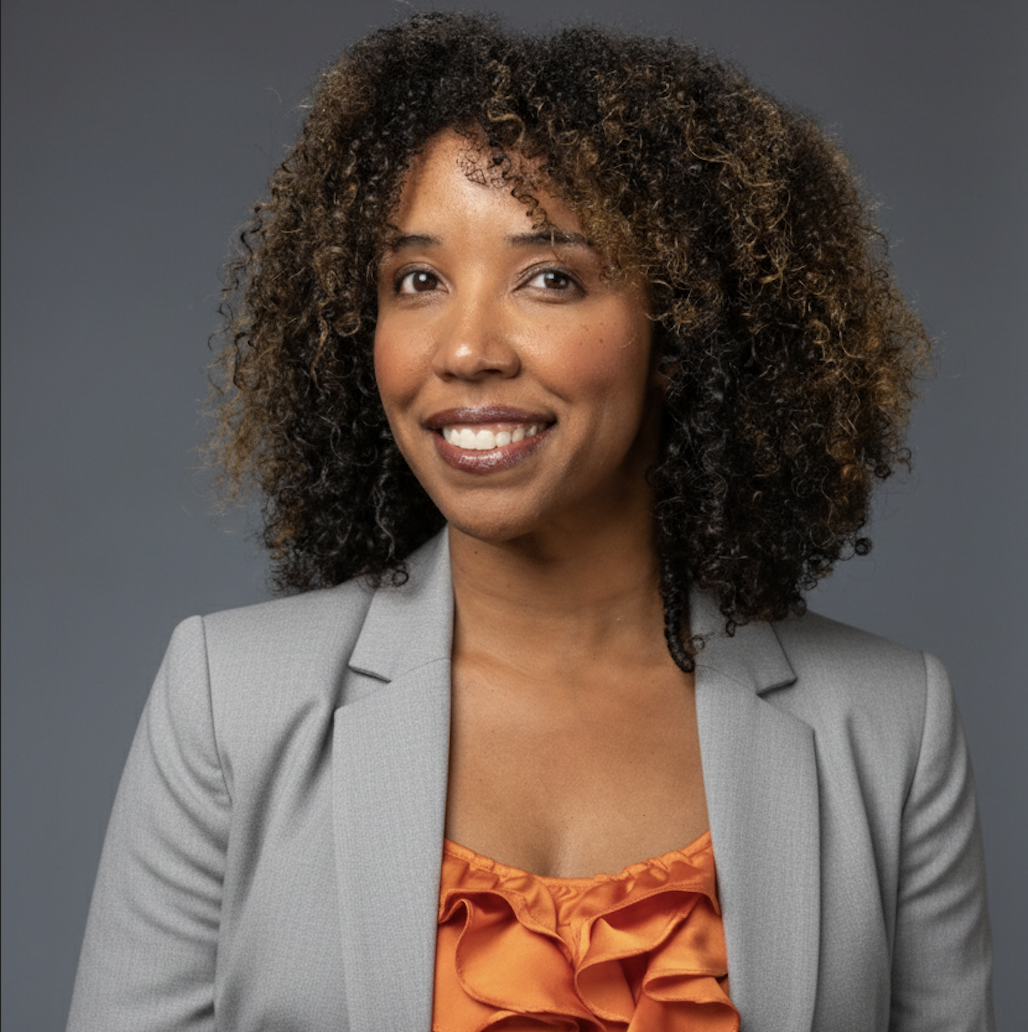
Shaundra "Shani B" Daily
Duke University
Cue Family Professor of the Practice in Electrical and Computer Engineering
Shaundra 'Shani B' Daily is the Cue Family Professor of the Practice in Electrical and Computer Engineering at Duke University and holds a Ph.D. from the MIT Media Lab. Her research focuses on designing sociotechnical systems that utilize participatory and mixed methods approaches to support meaningful participation and success in STEM fields. As the Co-Founder of KidzHack, she translates her research into tools and infrastructure that enhance the intellectual and social lives of students. Having secured over $40M in funding, her work has been featured in major national outlets including Forbes, NPR, and USA Today.
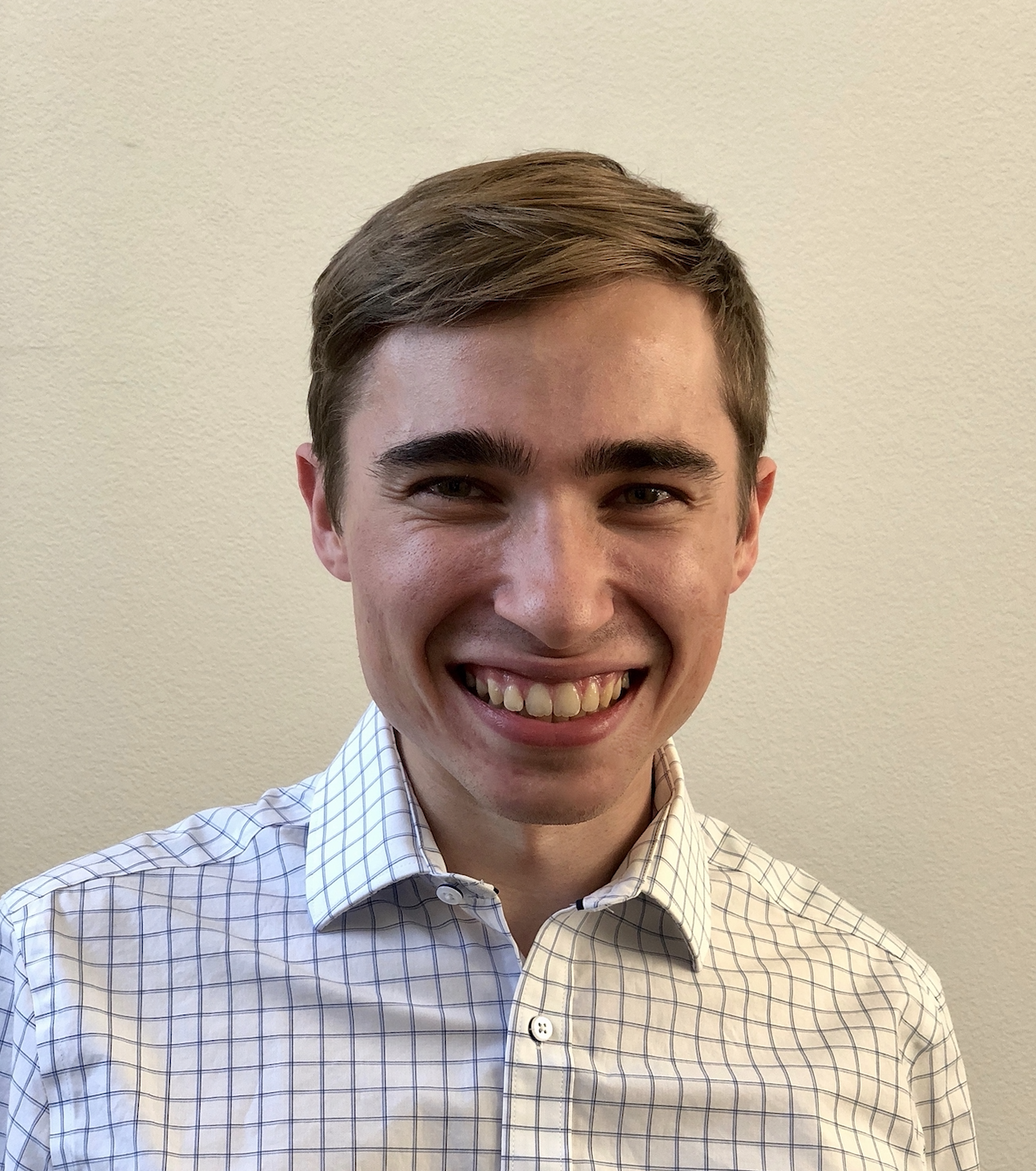
Zarek Drozda
Data Science 4 Everyone
Executive Director
Zarek Drozda is the Executive Director of Data Science 4 Everyone, a national initiative and coalition based at the University of Chicago. Zarek helped launch DS4E in 2019, co-organizing a coalition of 3000+ education leaders to advance data science and data literacy education in K-12 schools across more than 35 states. Zarek also contributes to AI education policy with the Federation of American Scientists, previously served for the U.S. Department of Education’s Institute of Education Sciences (IES), where he led research on emerging technology and advised the national COVID response, coordinating data analytics for an inter-agency team between the White House, Department of Education, and Center for Disease Control (CDC). Prior to Federal service, Zarek helped build a social impact incubator (the Center for RISC) with economist and Freakonomics co-author Steven Levitt. Zarek earned a Bachelor’s degree in Economics from the University of Chicago, and loves using data to tackle complex social problems.
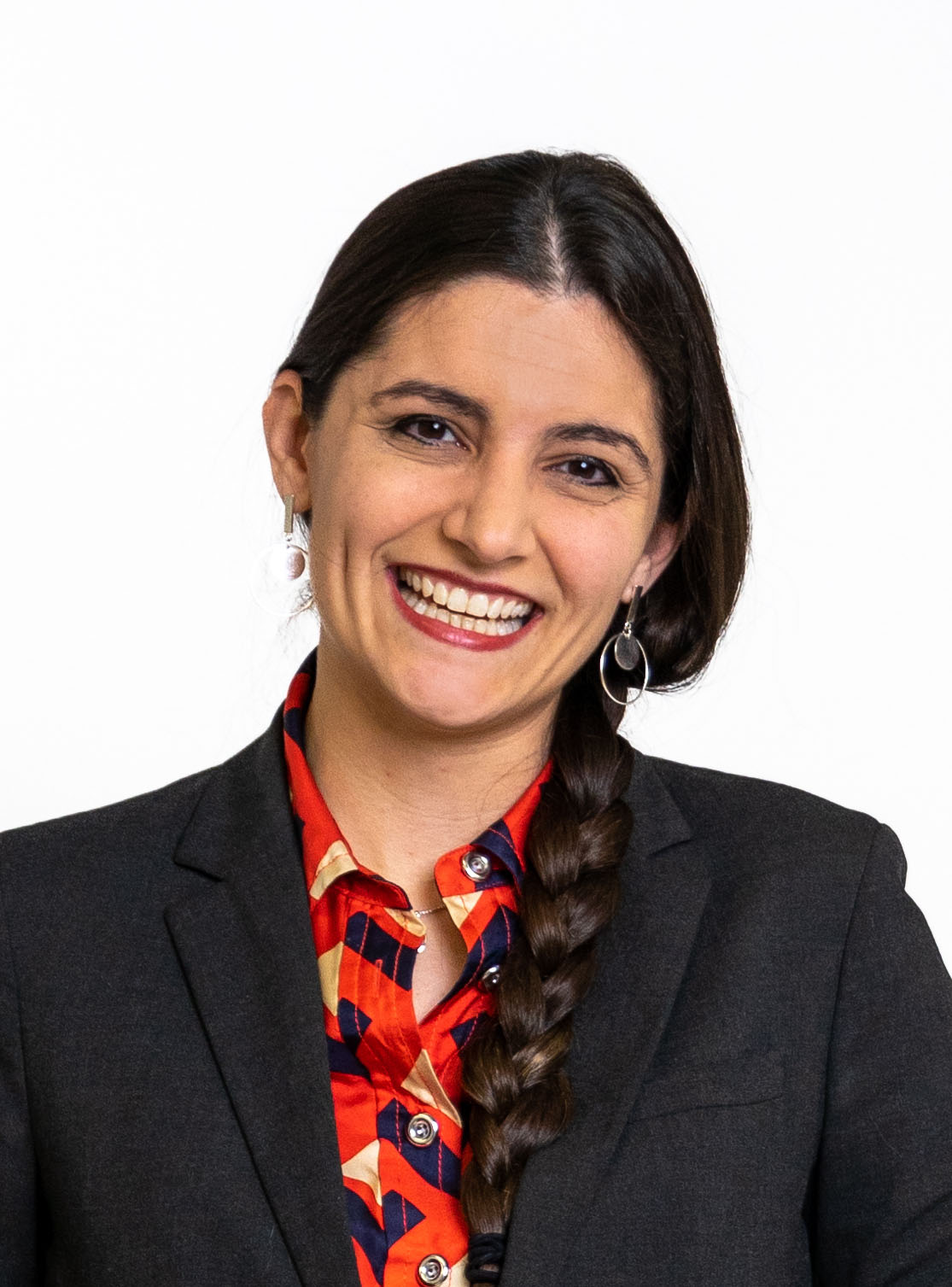
Kate Miller
Concord Consortium
Research Associate
Kate Miller is a Research Associate working on data science education projects across disciplinary boundaries and age groups. Kate has a doctorate in science teacher education, focusing on teacher knowledge and professional development for data literacy and data science education. She has experience across the field of science education as a teacher, teacher educator, curriculum developer, and education researcher in both formal and informal settings. Before pursuing her doctorate, Kate worked as the Senior Manager of Curriculum and Teaching at the American Museum of Natural History in New York City, and prior to that as a high school physics teacher at a public school in Brooklyn. Kate holds a Ph.D. from the University of Pennsylvania, an M.A. in Science Education from Teachers College at Columbia University, and a B.A. in Astrophysics from Princeton University.
Jamie Perrett
Brigham Young University
Associate Professor
Dr. Jamie Perrett is an Associate Professor of Statistics at Brigham Young University, with a focus on statistics and data science education. He earned his Ph.D. from Kansas State University and has extensive experience in both academia and industry, including leadership roles in data science at Bayer Crop Science.
An American Statistical Association Fellow, Dr. Perrett has played a leading role in advancing statistics education, including co-chairing the revision of the GAISE College Report.
He is passionate about helping students develop practical data skills and contributes to public data literacy through his work with The New York Times “What’s Going On in This Graph?” feature.

Patti Frazer Lock
St. Lawrence University
Professor of Mathematics and Statistics
Dr. Patti Frazer Lock is a Professor of Mathematics and Statistics in the Department of Mathematics, Computer Science, and Statistics at St. Lawrence University. She is a co-author on Statistics: Unlocking the Power of Data by Lock, Lock, Lock, Lock, and Lock. She is also a member of the Calculus Consortium for Higher Education (formerly the Calculus Consortium based at Harvard), and is a co-author with the Consortium on texts in Calculus, Applied Calculus, Multivariable Calculus, Precalculus, and Algebra. She does workshops and presentations around the country on the teaching of undergraduate mathematics and statistics.
Patti is currently serving as Co-Chair of the ASA GAISE revision Steering Committee. She is a past member of the AMS-ASA-MAA-SIAM Joint Data Committee, the ASA-MAA Joint Committee on Undergraduate Statistics and Data Science Education, the MAA Committee on the Undergraduate Program in Mathematics, and past Chair of the SIGMAA on Statistics Education. She has served on the Editorial Boards of PRIMUS and Math Horizons Journals, as a Consultant to Project NExT of the MAA, and as an external reviewer for multiple colleges and universities.
Event Slides
Can't see the preview? Open PDF
Event Whitepaper
Can't see the preview? Open PDF